Celebrations, Music and Dancing
The traditional music of French Canadian families for weddings and celebrations in the 1800s was primarily vibrant, dance-focused folk music rooted in French, and increasingly, Irish and Scottish traditions.
Here are the key elements of that music:
Instruments of Celebration
The music was typically played by a small ensemble or even a single musician, utilizing the most portable and popular instruments:
Fiddle (Violon): The undisputed star of French Canadian folk music and the principal instrument for dance accompaniment.
Percussion/Rhythm:
Podorythmie (Foot Rhythm): A defining characteristic, where musicians (especially fiddlers) and dancers would tap out complex, driving rhythmic patterns with their feet, similar to step dancing, to provide the beat.
Bones (Os): Animal rib bones, clicked or rolled together rhythmically.
Spoons: Used as a simple percussion instrument.
Jaw Harp (Guimbarde)
Melody/Harmony (Gaining popularity in the latter 19th Century):
Diatonic Button Accordion: A German innovation that became very popular in French Canada towards the end of the 1800s.
Harmonica (“Music-of-mouth” or “lip-destruction”): Another late 19th-century addition.
Piano/Reed Organ: Began appearing in village parishes toward the late 1800s, often used for accompaniment.
Dance Forms and Repertoire
The music was functional, designed to accompany group social dances:
Reels and Jigs (Gigues): Fast, lively tunes heavily influenced by the Irish and Scottish traditions, which were immensely popular for celebrations. Examples of common tunes include “La Bastringue” and variations of the “Red River Jig” (or La Grande Gigue Simple).
European Quadrille and Cotillion: Group dances brought over from Europe.
Contredanse (Country Dance): Another social dance form from Europe.
Late 19th Century: The waltz and polka also began to appear.
Song and Vocal Traditions
Singing was a crucial part of celebrations and daily life:
Chansons à Réponse (Call-and-Response Songs): These songs, many of which date back to colonial France, involve a lead singer singing verses followed by a chorus repeated by the group. They were popular at veillées (house parties) and gatherings.
Old French Ballads (Complaintes): Traditional songs and stories often preserved from France.
Patriotic/Celebratory Songs: Songs like “À la claire fontaine” were widely known and often sung at major French Canadian celebrations like the Fête de la Saint-Jean-Baptiste (National Holiday), which was a major event in the 19th century.
In essence, a French Canadian wedding or celebration in the 1800s would have been a lively event centred around the energetic sound of the fiddle, the percussive foot-tapping (podorythmie), and communal singing of both old French tunes and new dance pieces like reels.
This section was researched written with the help of Gemini.ai.
The energetic dance music is the heart of French Canadian celebrations. Since the music is designed to accompany dances like reels and jigs, you can often see the traditional “foot rhythm” (podorythmie) performed by the musicians themselves in these videos.
Here are some videos featuring traditional French Canadian fiddle music, which is the cornerstone of 19th-century celebration music:
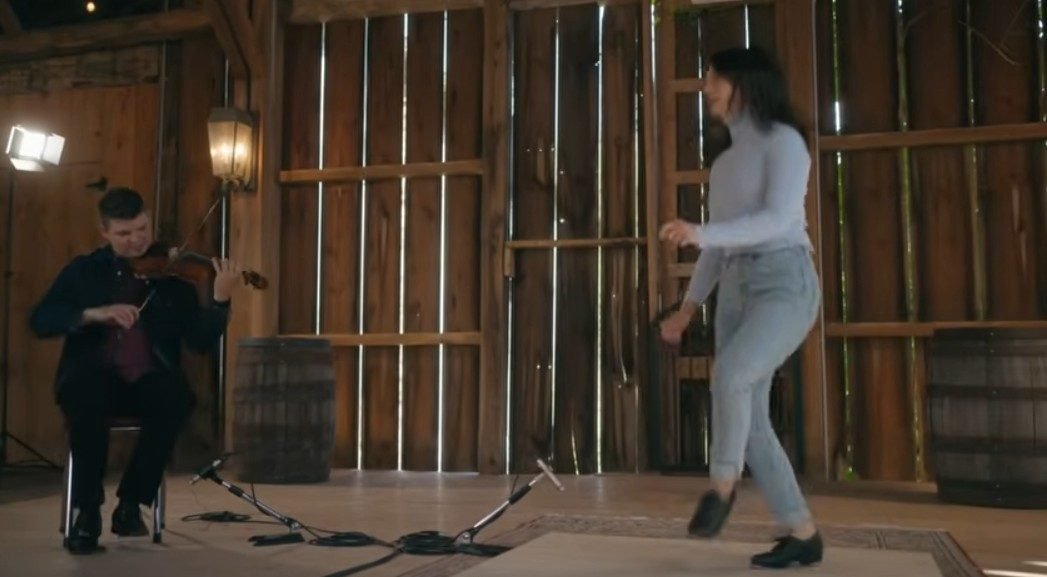
Hangman’s Reel / Le Reel Du Pendu – Shane Cook & Emily Flack
This video is an excellent example, as it features both the lively fiddle playing and the distinctive foot percussion (podorythmie) that provided the rhythmic drive for dances like the quadrille and the jig.
Channel: Shane Cook

French Canadian Fiddling
Another great example that showcases the combination of traditional fiddling and the associated step dancing, which would have been common at house parties (veillées) and weddings in the 1800s.
Channel: Joe Leeming
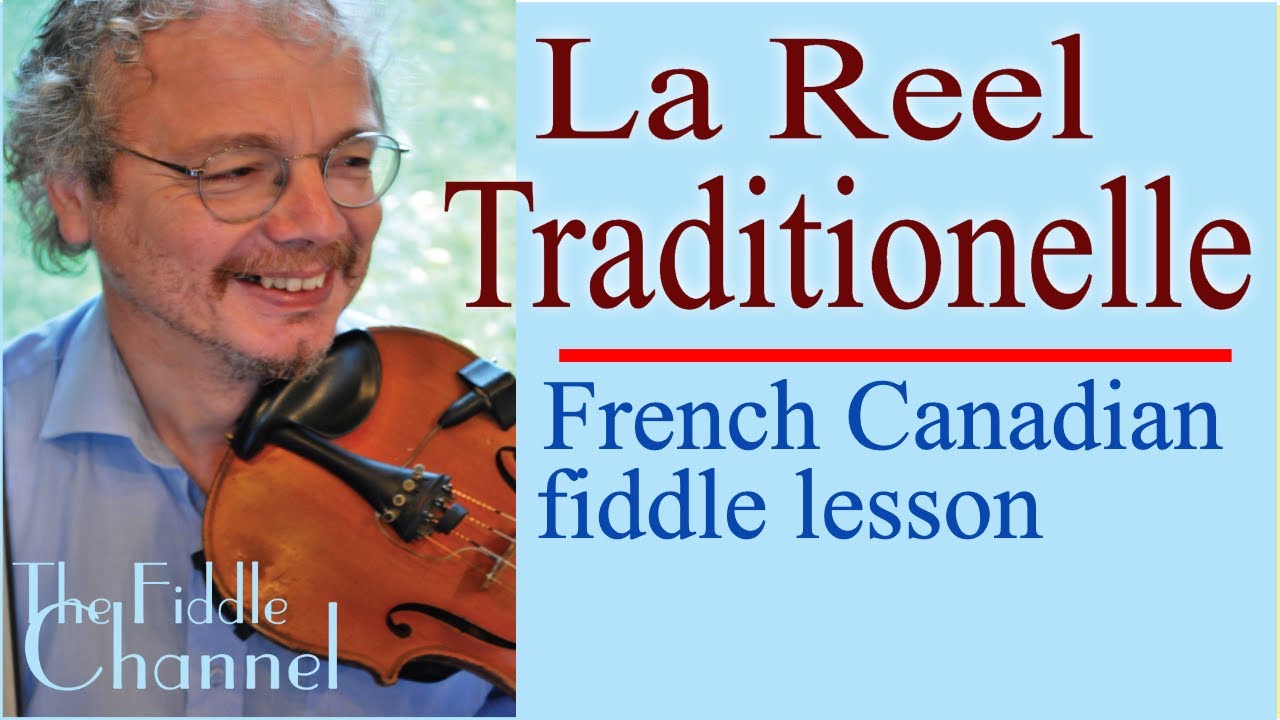
La reel traditionelle (French Canadian fiddle tune/lesson)
A demonstration of a traditional reel, which is one of the essential dance types played for celebrations.
Channel: The Fiddle Channel
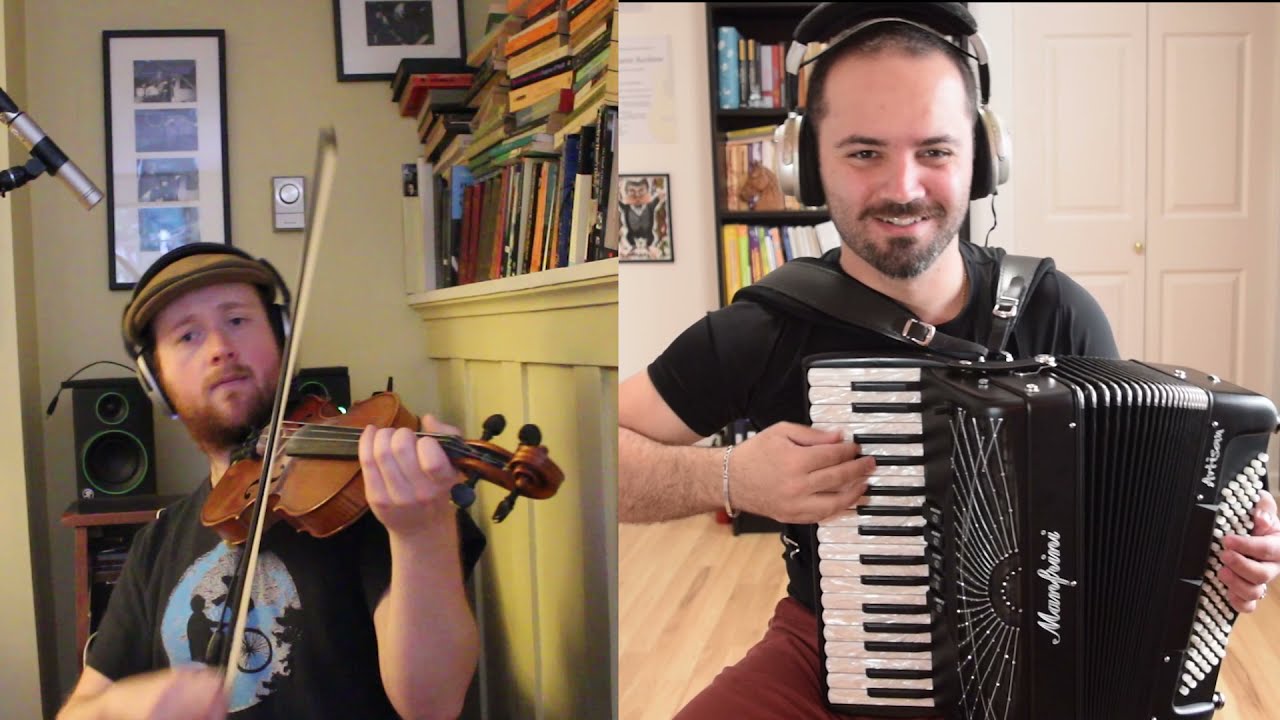
Reel Beatrice Duet (Quebecois Folk Tune) | Accordion + Fiddle Duet with Michael Burnyeat
This video features the traditional pairing of the fiddle and the button accordion, a sound that defines Quebecois folk music from the late 19th century onward.
Channel: Uncle Kosta

Medley: Joys of Québec and Reel québécois.
This is a solo performance on the diatonic accordion, playing two classic tunes. This highlights the button accordion’s role, particularly in the 20th century, but with repertoire inherited from the late 19th century.
Channel: François Ouellette

Reel de Roberval, Quebec Fiddle Weekend with Pascal Gemme & Yann Falquet
While this is a modern performance, it perfectly captures the high energy and distinctive sound of the traditional Quebecois reel, featuring the essential combination of the fiddle (violin) playing the fast melody and a strong rhythmic backing. It gives you a great sense of the dance music that would have driven the celebrations in the late 1800s.
Channel: QuasiTrad Music Melbourne
Once again Gemini.ai was helpful in finding traditional music.